
Ecology
-
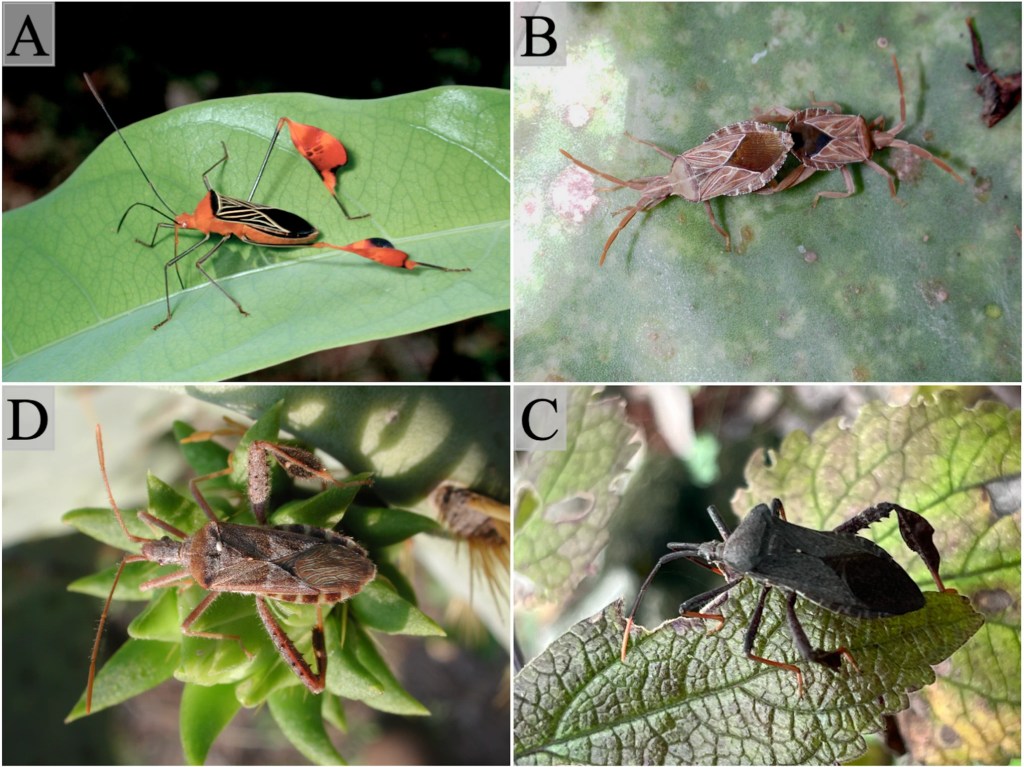
The ability to associate bright colors with the threat of harm is a basic survival skill. Consider the crimson hourglass on a black widow spider or the brilliant scarlet of the fire ant, warning us to keep our distance or suffer its painful venom. This association between vivid color and danger is so intuitive that…
-
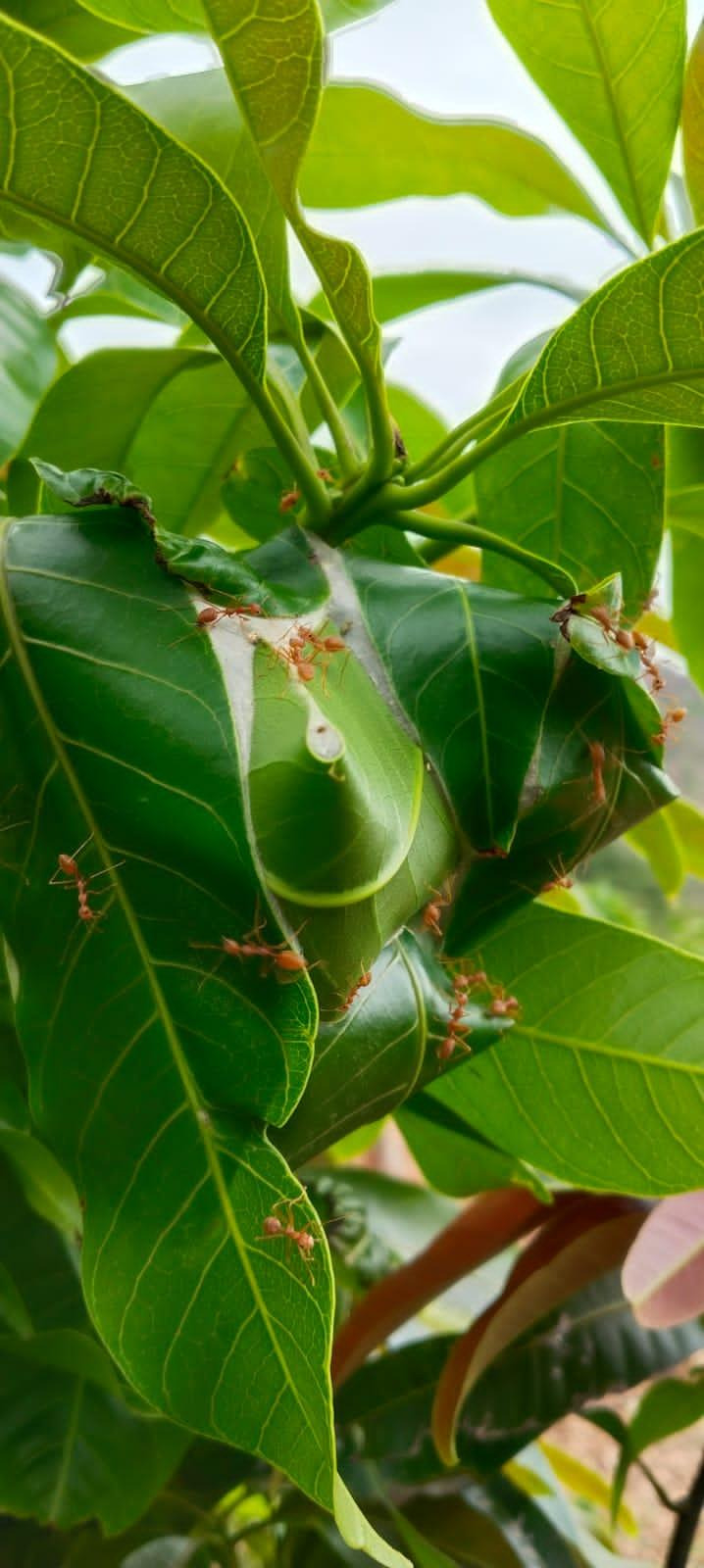
Tiny Bodyguards in the Mango Trees Imagine walking through a mango orchard and spotting leaves tangled together into strange green bundles. Look closer and you might find hundreds of tiny reddish ants marching aggressively along branches, guarding their leafy kingdom. These are weaver ants, Oecophylla smaragdina; nature’s tiny orchard bodyguards. For centuries, farmers in parts…
-
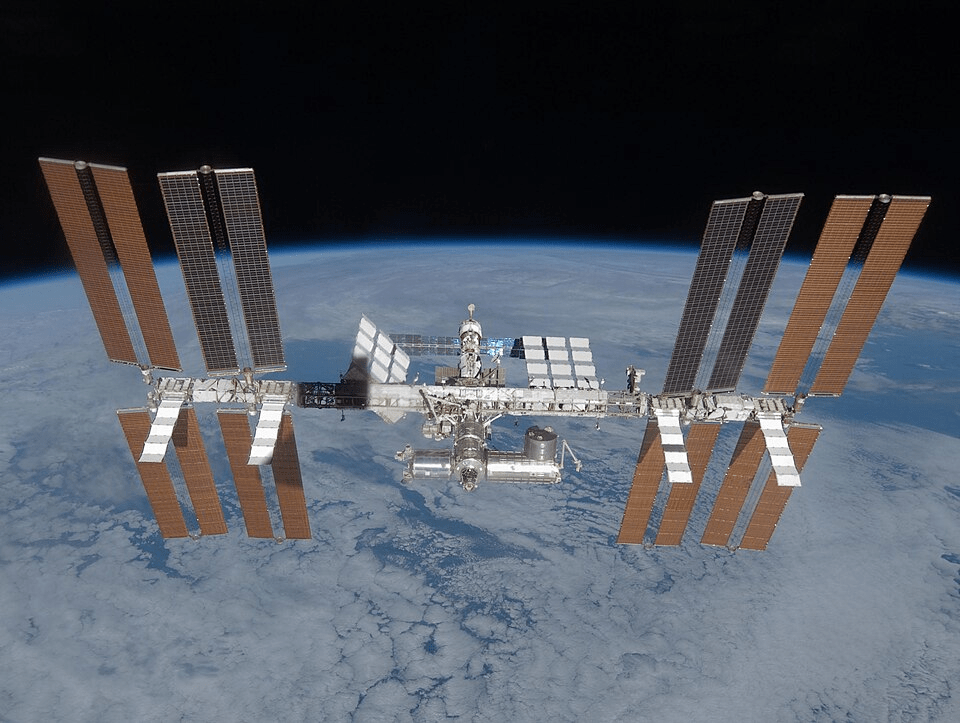
Insects and other invertebrates might be the key to long term space travel. With increasing research into insects for human consumption, more and more scientists believe that insect farming might be the number one way for astronauts to get their nutrients because of its high resource to output ratio. Not only might invertebrates be useful…
-
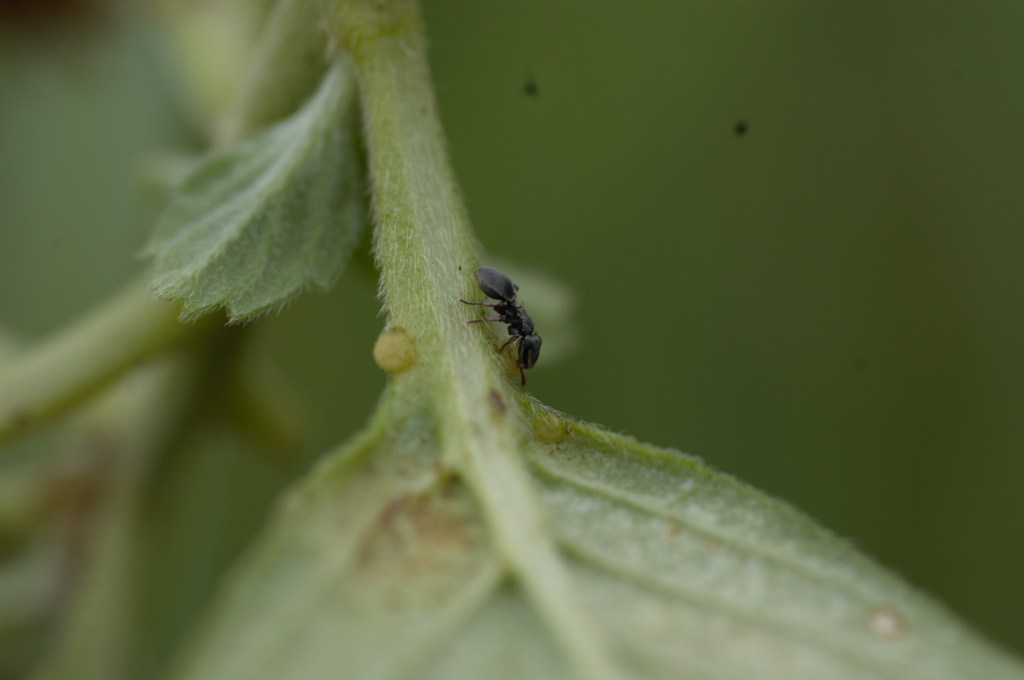
In nature, the way species interact with each other can be broken down into different categories. Mutualism is an interaction where both individuals benefit, altruism is where one individual benefits the other at their own cost, commensalism is where one species benefits without any impact to the other, and parasitism is where one individual benefits…
-
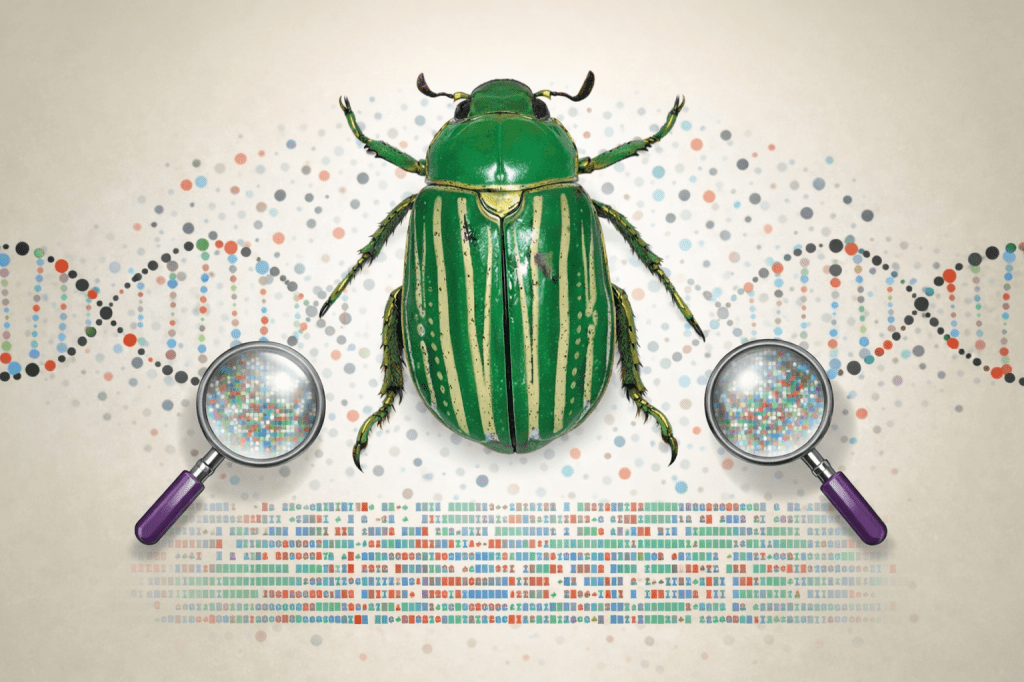
The word genomics has been flying around the scientific community for some decades, a synonym for a powerful genetic tool. Genomic tools are used to unveil the mysteries that are hidden within an organism’s genetic information, revealing what makes them the species they are. But let’s first explain what genomics is. The genetic material of…
-
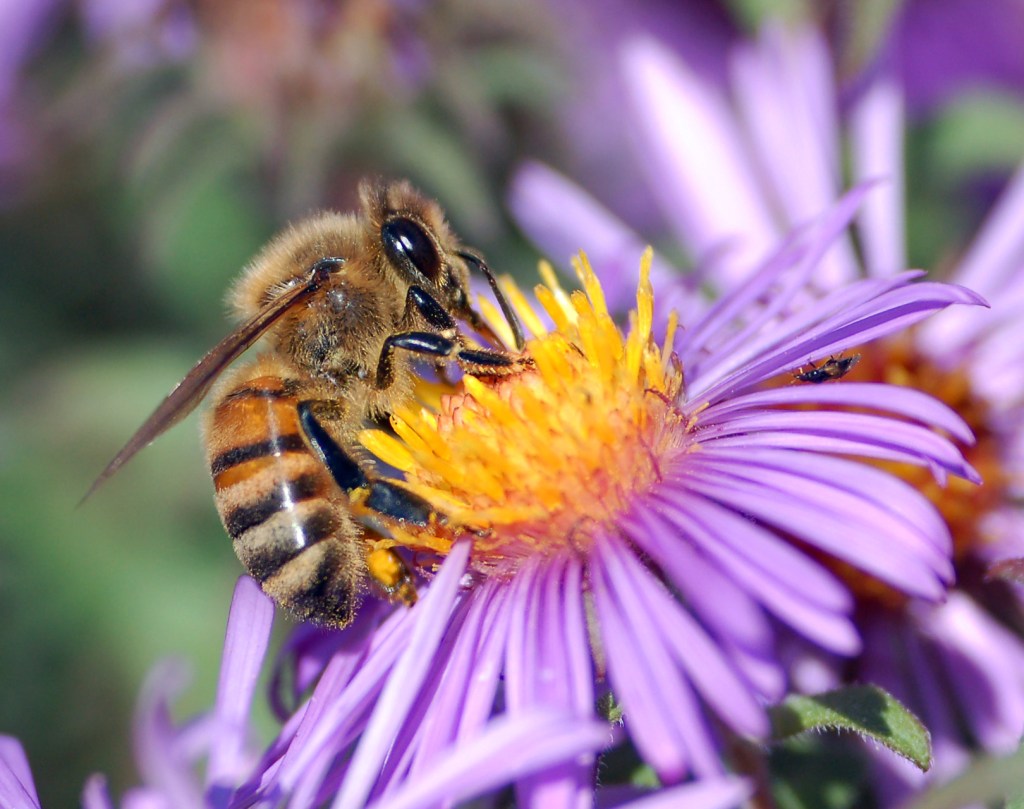
When was the last time you visited your local park? What flowers did you see? Were there bees on those flowers? Urban green spaces are important for many reasons. They bring joy to people nearby, provide opportunities for exercise, and help our mental health. Pollinators benefit significantly from urban parks as they often have flowers…
-
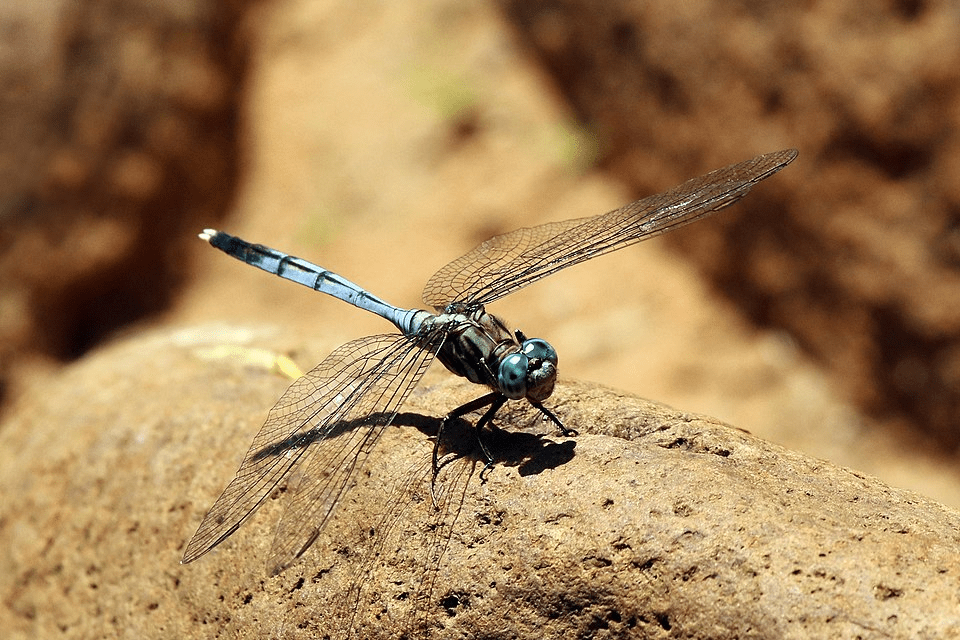
Dragonflies are hard to miss, but have you ever noticed that some species are far more common than others? On a summer walk near water, dragonflies are a familiar sight, bringing flashes of colour to the landscape. However, not all species have the same chances of survival. Some are widespread, with populations increasing, whilst others…
-
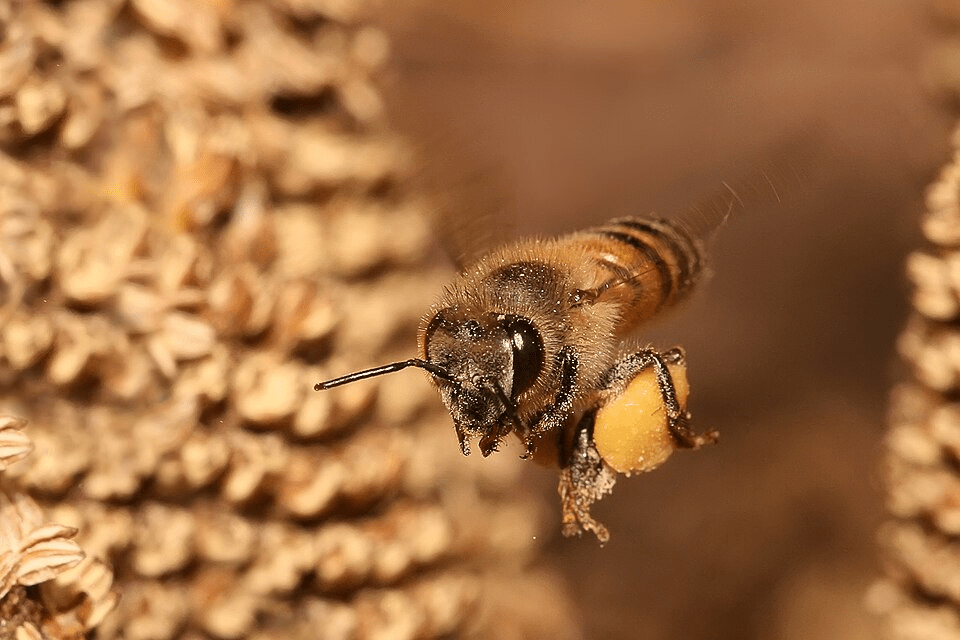
On a hot day, staying cool is simple… for us at least. For a honey bee, this is a much more difficult task, especially when heating up isn’t just uncomfortable – it can be dangerous. Unlike us, bees can’t simply shed layers or grab a cold drink, and their small bodies heat up quickly. So…
-
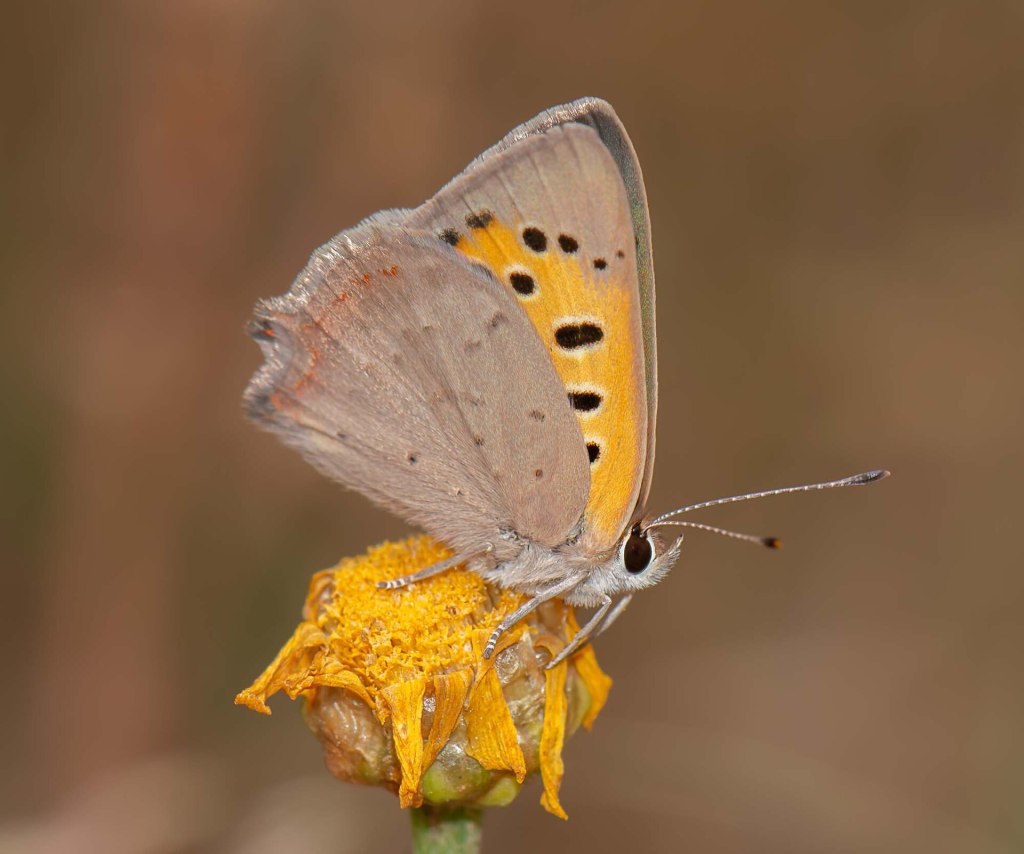
Have you ever seen a butterfly egg? Most people haven’t. When we think of young butterflies we most often imagine a munching caterpillar, decimating the leaves of its host plant. Its soft, wriggling body working its way down the leaf stem, bearing the lush foliage naked. Each species of butterfly has one or more species…
-
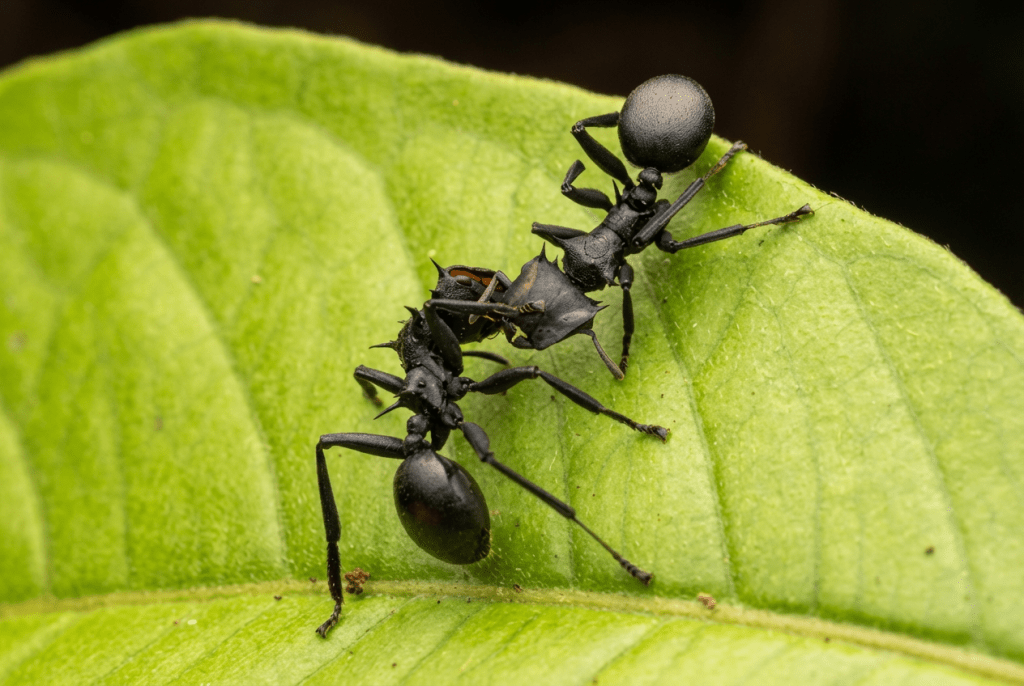
Insects have often been a major source of inspiration, fear, and human curiosity. Their anatomy, behaviour, lifestyles are highly specialised and distinct from ours and many other animals. This sense of ‘otherness’ has links in all areas of human expression but there is a particularly prevalent connection insects and gothic culture. By looking into these…

