
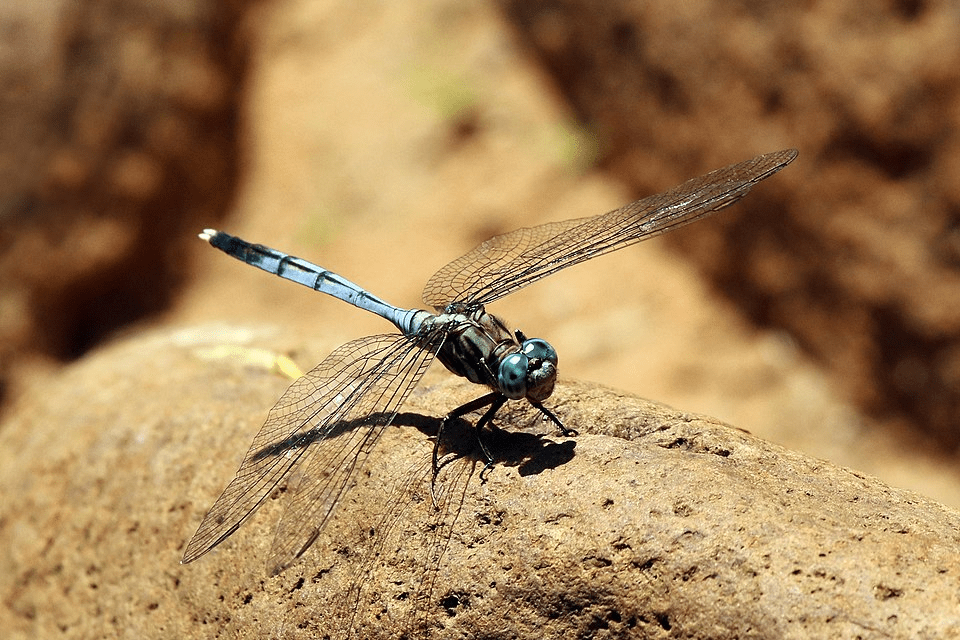
Dragonflies are hard to miss, but have you ever noticed that some species are far more common than others? On a summer walk near water, dragonflies are a familiar sight, bringing flashes of colour to the landscape. However, not all species have the same chances of survival. Some are widespread, with populations increasing, whilst others are struggling to survive. So why do some species thrive, whilst others are in decline?
Insects are declining globally, with flying insect populations experiencing dramatic reductions in the last few years. This is driven by multiple factors, from agricultural intensification to climate change.
Dragonflies and damselflies (together known as Odonata) are colourful freshwater insects that are often indicators of ecosystem health and water quality. So the question remains: why are some Odonata thriving whilst others are declining? One way to think about it is that some species are ‘winners’, while others are ‘losers’. In a rapidly changing world, insects must adapt quickly to cope with change, and those that fail to do so just might not make it.
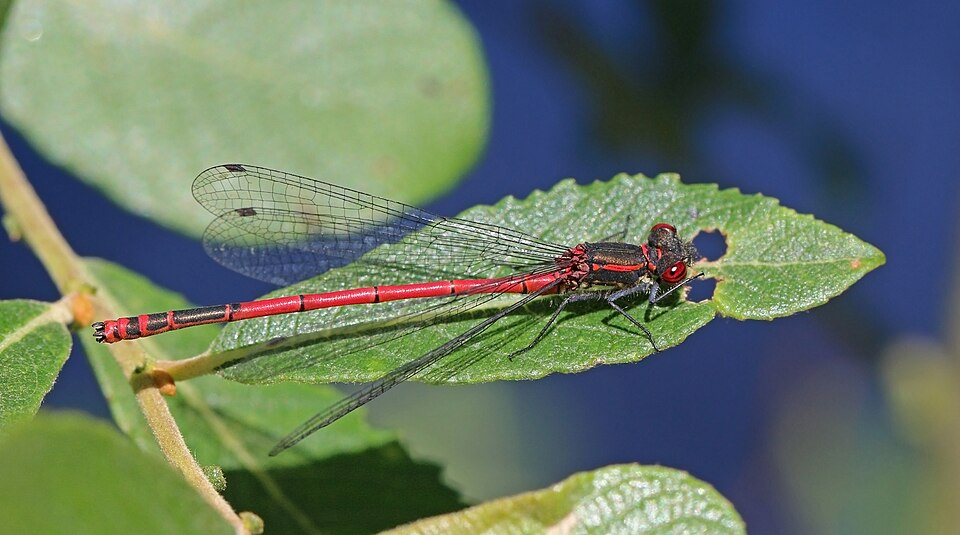
This is exactly what a group of scientists set out to investigate. They asked: what makes some species more vulnerable than others? To answer this, they looked at different traits within Odonata. Traits are characteristics of a species, such as body size, temperature tolerance or habitat preference. They wanted to know whether certain traits could predict which species are most at risk.
Their findings showed that traits can in fact explain the differences in vulnerability of dragonfly and damselfly species. In particular, habitat preference, temperature tolerance and life cycle length (also called voltinism) were all key factors.
For example, species that are picky about where they live, especially those which are restricted to streams, are vulnerable to decline. This is because habitat loss and pollution can quickly make these environments unsuitable. In comparison, species that can tolerate a wider range of habitats are able to better cope with change.
Life cycle length is also linked to vulnerability. Species with slower life cycles, meaning they produce fewer generations per year, are more vulnerable than those that reproduce quicker. Species with faster life cycles are able to bounce back quicker when things go wrong, whether though drought, flood or heatwave.
Finally, temperature preferences also effect a species vulnerability. Species adapted to cooler environments are particularly vulnerable to rising temperatures. However, even some warm-adapted species that rely on stable, shaded habitats near cool water may also be at risk. In contrast, species with broader thermal tolerances are better able to cope with changing temperatures, making them less vulnerable to climate change.
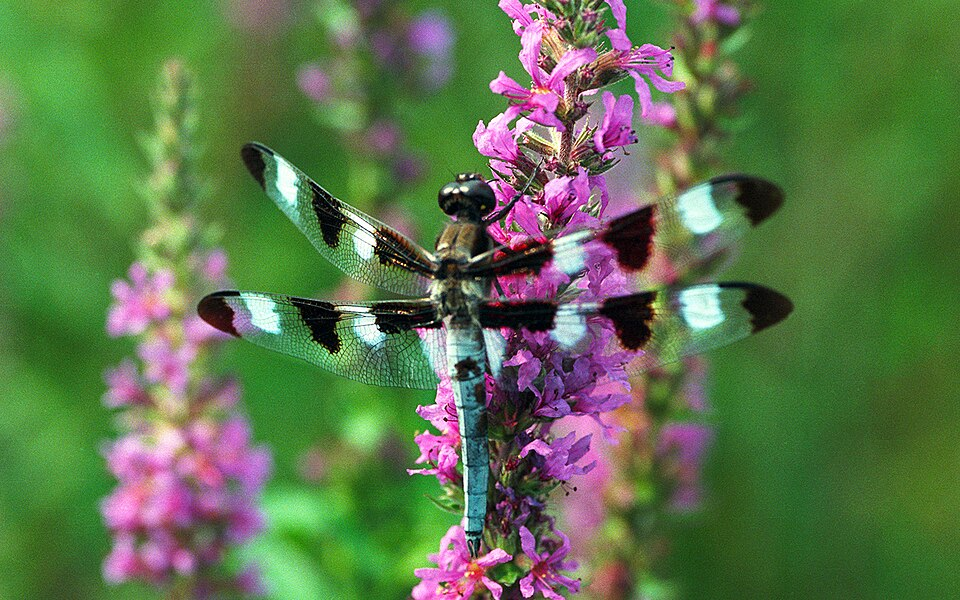
Overall, the study found that species traits can explain a large proportion of vulnerability in dragonflies and damselflies. Generalist species, which can survive across a range of conditions, tend to be more resilient compared with specialist species.
These findings are important for conservation. Understanding which traits make species more vulnerable enables scientists to help predict future declines, helping inform conservation efforts. This also highlights how important it is to protect specific habitats, such as freshwater streams, to protect specialist species.
So, it turns out that survival isn’t just down to chance. It is shaped by how species live, their traits, behaviours and ecological preferences all playing a role. In rapidly changing world, this knowledge is extremely important for protecting biodiversity and understanding that not all species require the same conservation help.
References:
Nicvert, L., De Knijf, G., Bowler, D.E., Bried, J.T., Coulon, A., Engel, T., van Grunsven, R.H.A., Jeliazkov, A., Lamouille-Hébert, M., Jeanmougin, M., Fontaine, C. and Schmucki, R. (2026). Linking species traits and vulnerability indicators in European Odonata. Biological Conservation, 317, p.111786. doi:https://doi.org/10.1016/j.biocon.2026.111786.


Leave a Reply