
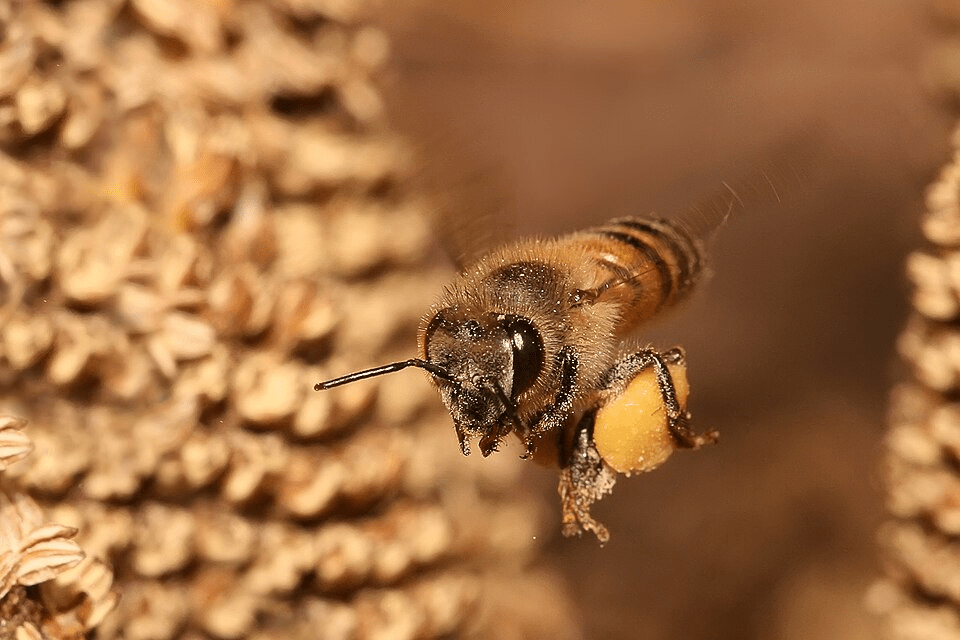
On a hot day, staying cool is simple… for us at least. For a honey bee, this is a much more difficult task, especially when heating up isn’t just uncomfortable – it can be dangerous. Unlike us, bees can’t simply shed layers or grab a cold drink, and their small bodies heat up quickly. So when temperatures rise, how do they cope?
It isn’t just humans that experience stress, most animals show physical responses in challenging conditions. In the wild, stress can come from many different sources, such as finding food, avoiding predators, or regulating body temperature. When faced with these challenges, animals rely on internal processes to help them survive.
Honey bees, however, do not face these challenges alone. They are highly social creatures, living and working together as a colony. This means respond as a collective, rather than by themselves. Regulating temperature, communicating through chemical signals, and coordinating behaviour is key to their survival.
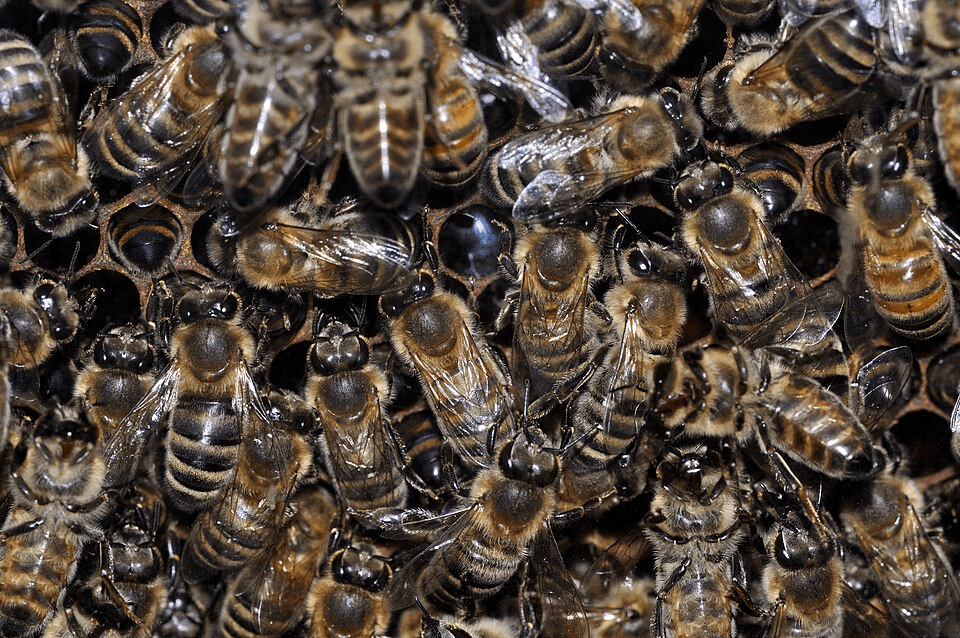
Figure 1: Honey bees are social insects and live in a colony, relying on each other for survival of the whole hive.
When temperatures begin to rise, honey bees experience heat stress, which can significantly affect their behaviour, reproduction and survival. Most of us might assume that animals simply ‘put up with’ the heat until they are able to cool down. However, research suggests something much more complex is going on. In fact, bees appear to have a kind of stress support system, helping to calm each other down in times of crisis.
This support system relies on chemical communication. Bees use two main types of signals: hormones and pheromones. Hormones are released inside the body, telling it what to do and when, whereas pheromones are released into the environment to communicate with other bees. A recent study by Thomas Rachman and Zachary Huang investigated how these signals interact when bees are exposed to heat stress.
To do this, the researchers took tiny samples of bee ‘blood’ (known as haemolymph) under different temperatures and social conditions. This allowed them to measure levels of key chemical signals involved in stress. In particular, they focused on Juvenile hormone, which is released in response to stress, and a pheromone called ethyl oleate.
The results showed a fascinating difference between bees tested alone compared to bees tested in group conditions. When individual bees were exposed to high temperatures, their bodies released a large amount of Juvenile hormone, which implied a strong stress response. High levels of this hormone can negatively affect important behaviours, such as foraging, which are essential to survival.
However, when bees were tested under the same high temperatures but in group conditions, this stress response was substantially reduced. Grouped bees did not show the same increase in juvenile hormone levels compared to solitary honey bees. This suggests that being in a group was somehow regulating their response to high levels of heat.
So how did this happen? It’s all to do with pheromonal communication. It turns out that bees within the group released the pheromone ethyl oleate, which reduces the stress response in other bees. Essentially, bees were able to chemically ‘calm each other down’, and prevent harmful stress levels from building up within the colony. Individual bees weren’t able to get this support, and had no way to buffer their stress response.
This research highlights the importance of social living. By working together, honey bees are able to maintain lower levels of stress, which allows them to continue to function under challenging conditions. With lower stress levels, bees are able to carry out behaviours that help them cool down the hive. They do this by fanning their wings to circulate air and evaporating water droplets brought into the hive by worker bees.
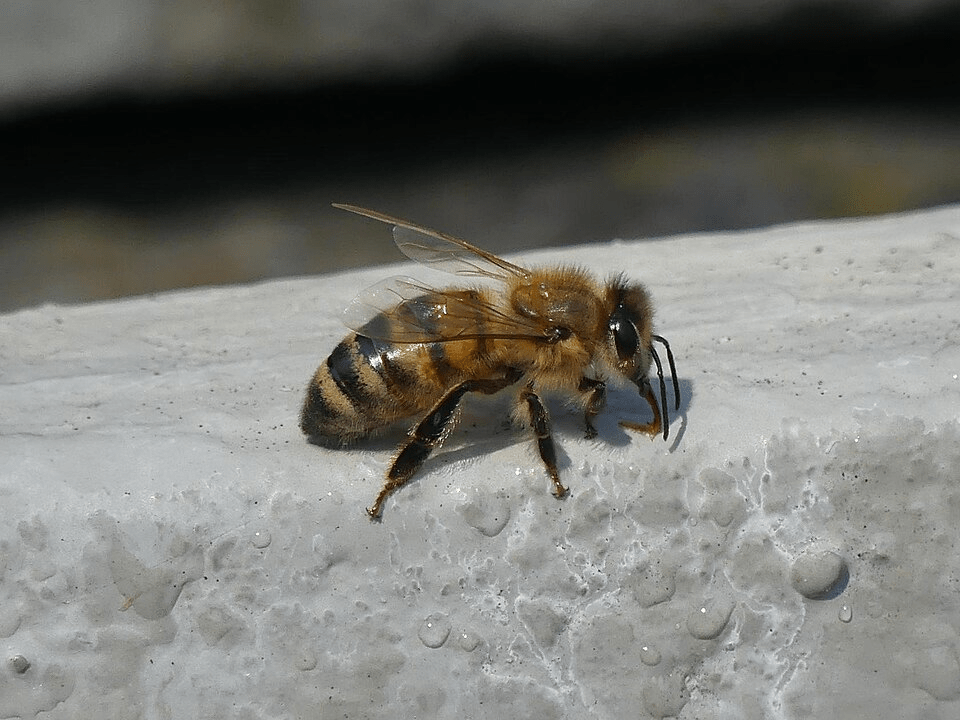
Figure 2: A honey bee drinking from a wet stone
As climate change continues to raise temperatures, understanding how animals respond to heat stress is becoming more important. This study suggests that social species, such as honey bees, may show higher levels of resilience to heatwaves by collectively regulating their stress responses. Solitary bees, however, may be more vulnerable, as they lack the social support needed to cope with extreme environmental changes.
This research reveals that staying cool for honey bees isn’t only about avoiding the heat, but also about how they respond to it. Survival for these bees depends not only on the environment, but on each other as well.
References
Ham, J. (2023). Honey Bee Thermoregulation – Alberta Beekeepers Commission. Alberta Beekeepers Commission. Available at: https://www.albertabeekeepers.ca/honeybee-thermoregulation/.
Langley, L. (2023). How wild animals cope with stress—from overeating to sleepless nights. National geographic. Available at: https://www.nationalgeographic.com/animals/article/animals-stress-anxiety-lizards-birds.
Rachman, T. and Huang, Z.Y. (2026). Rapid hormonal rise in honey bees due to heat‐shock is mitigated by a primer pheromone. Insect Science, 1(8). doi:https://doi.org/10.1111/1744-7917.70272.
Figure 1 photographed by: Giannoni-Guzman. Available at: https://www.igb.illinois.edu/article/honey-bee-colony-aggression-linked-gene-regulatory-networks.
Figure 2 available at: https://beekeepingforum.co.uk/threads/bees-fanning-wings-over-raised-back-at-front-of-hive.6039/


Leave a Reply