
Chemical ecology
-
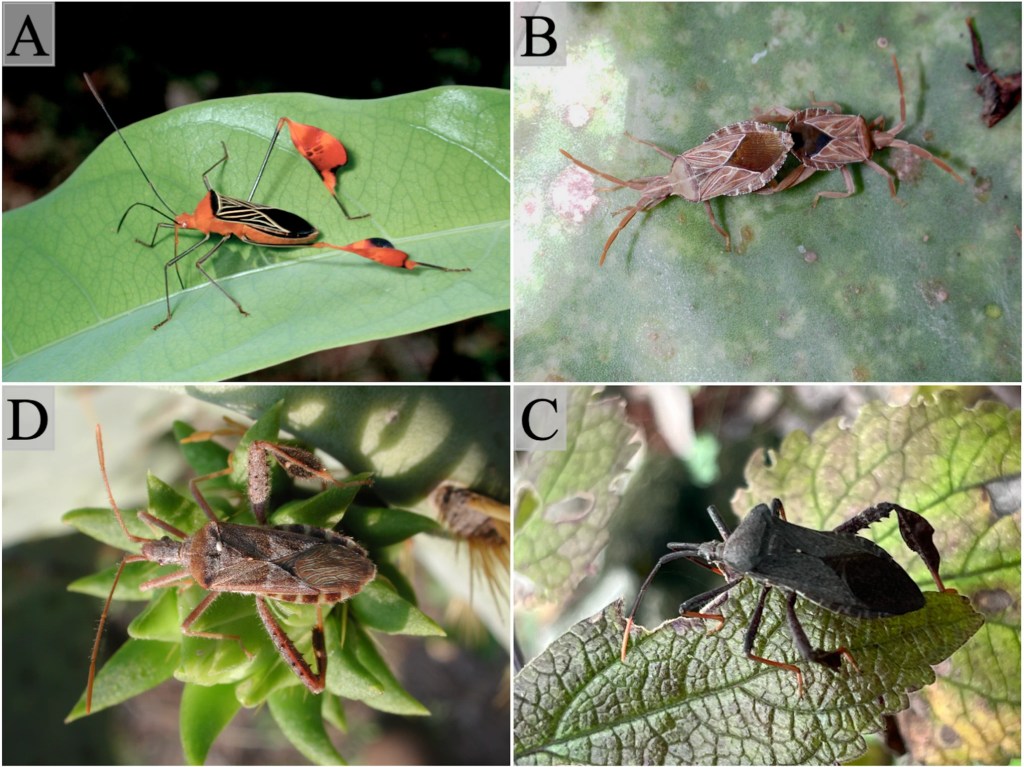
The ability to associate bright colors with the threat of harm is a basic survival skill. Consider the crimson hourglass on a black widow spider or the brilliant scarlet of the fire ant, warning us to keep our distance or suffer its painful venom. This association between vivid color and danger is so intuitive that…
-
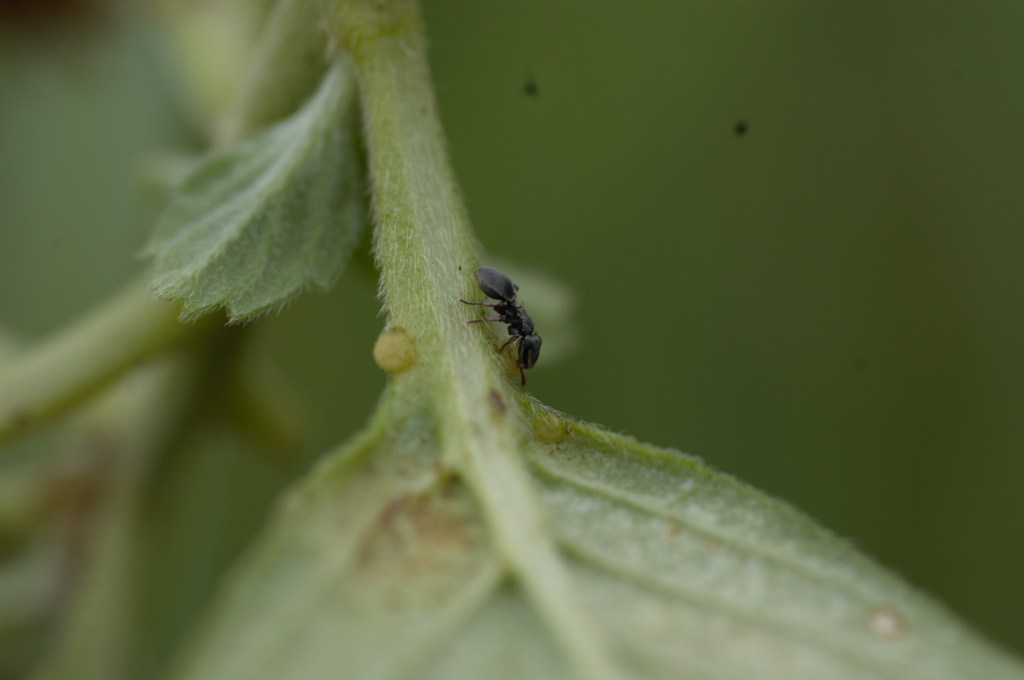
In nature, the way species interact with each other can be broken down into different categories. Mutualism is an interaction where both individuals benefit, altruism is where one individual benefits the other at their own cost, commensalism is where one species benefits without any impact to the other, and parasitism is where one individual benefits…
-
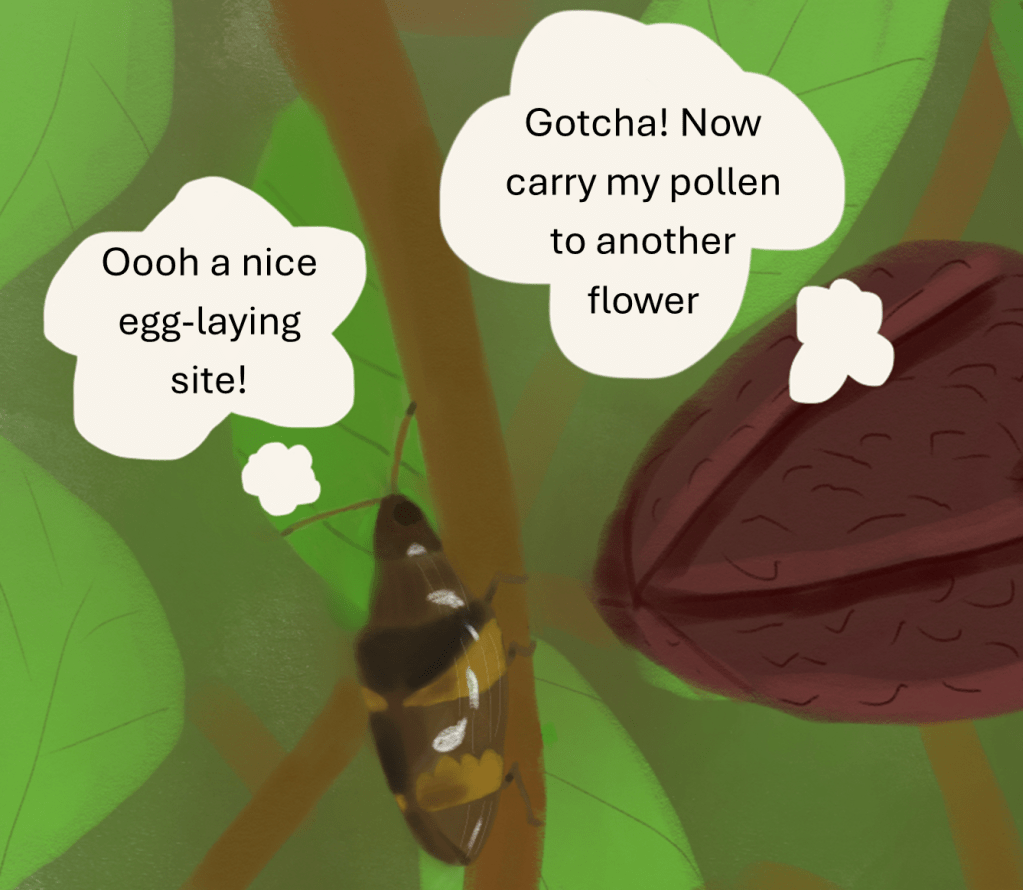
Original article: https://besjournals.onlinelibrary.wiley.com/doi/full/10.1111/1365-2745.14446 When we think of pollination, we picture a beneficial relationship between plant and pollinator: one gains sweet nectar and protein-rich pollen, the other can reproduce and spread their population. Everyone’s happy. But it isn’t always this straightforward: the world of pollination is full of tricksters. Many plants can deceive pollinators into spreading…

