
Hymenoptera
-
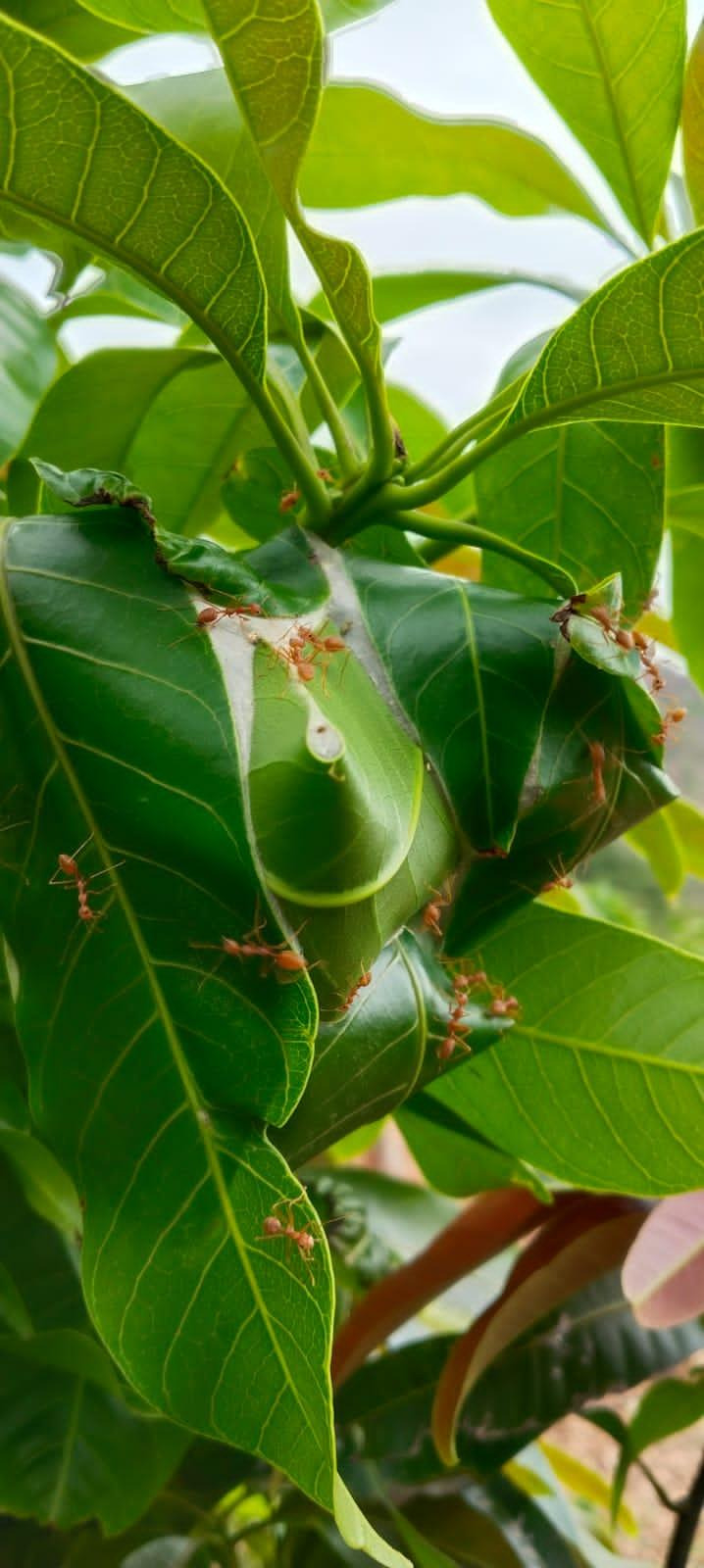
Tiny Bodyguards in the Mango Trees Imagine walking through a mango orchard and spotting leaves tangled together into strange green bundles. Look closer and you might find hundreds of tiny reddish ants marching aggressively along branches, guarding their leafy kingdom. These are weaver ants, Oecophylla smaragdina; nature’s tiny orchard bodyguards. For centuries, farmers in parts…
-
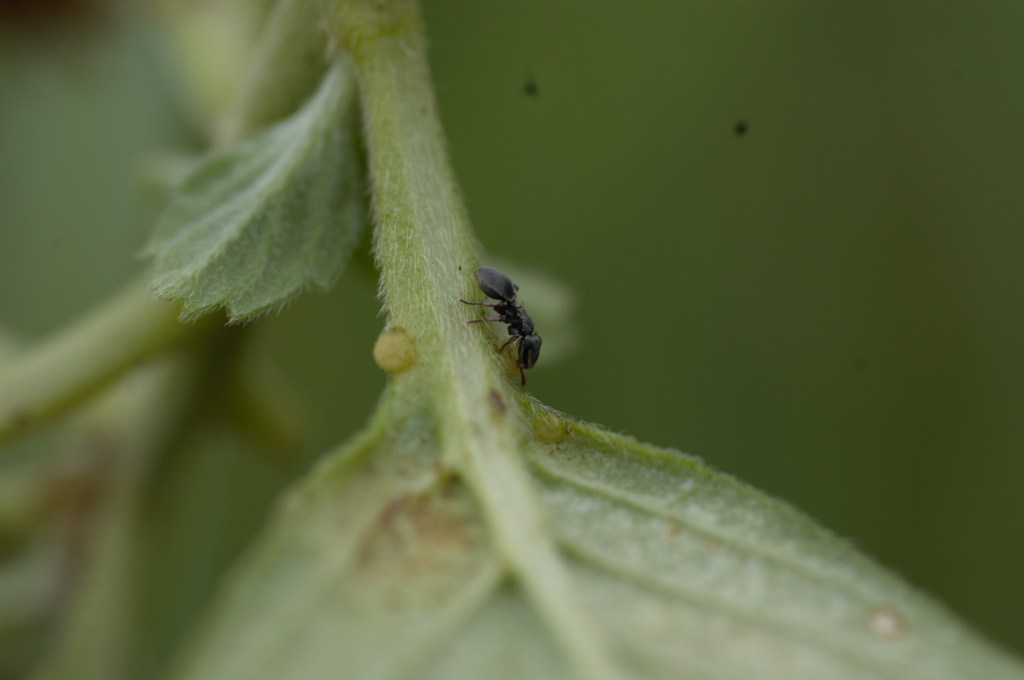
In nature, the way species interact with each other can be broken down into different categories. Mutualism is an interaction where both individuals benefit, altruism is where one individual benefits the other at their own cost, commensalism is where one species benefits without any impact to the other, and parasitism is where one individual benefits…
-
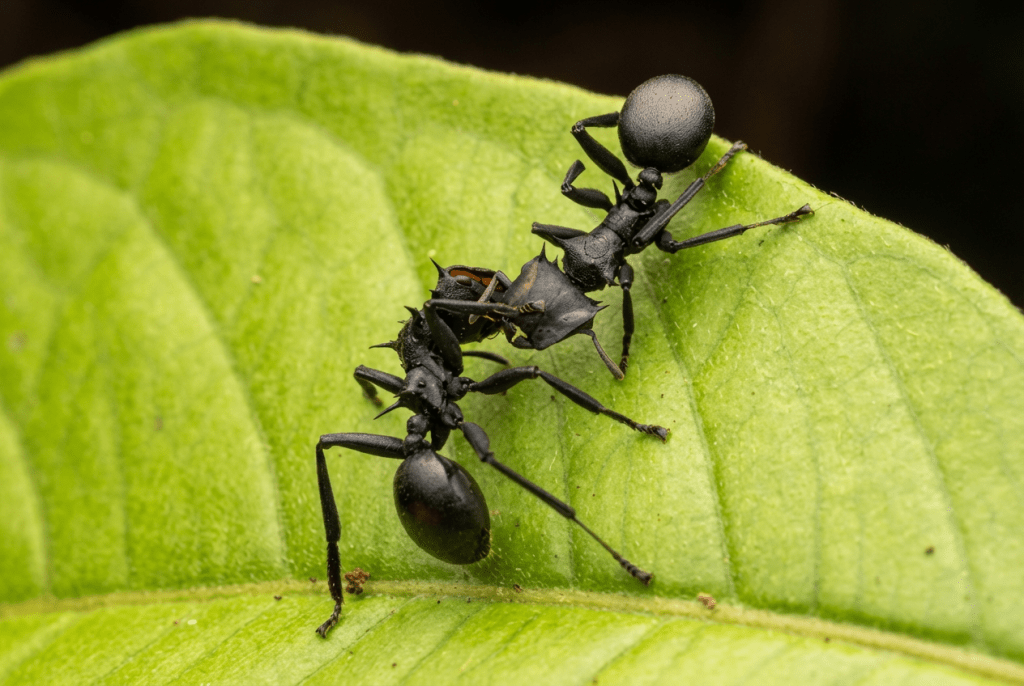
Insects have often been a major source of inspiration, fear, and human curiosity. Their anatomy, behaviour, lifestyles are highly specialised and distinct from ours and many other animals. This sense of ‘otherness’ has links in all areas of human expression but there is a particularly prevalent connection insects and gothic culture. By looking into these…
-
So! It’s been a while since you heard from us (at least, it’s been a couple months since we wrote that last blog post). What have we been up to? Beginning of the UKBOL Project The Project we have been excitedly working on over the last few months has been the UKBOL project (United Kingdom…
-
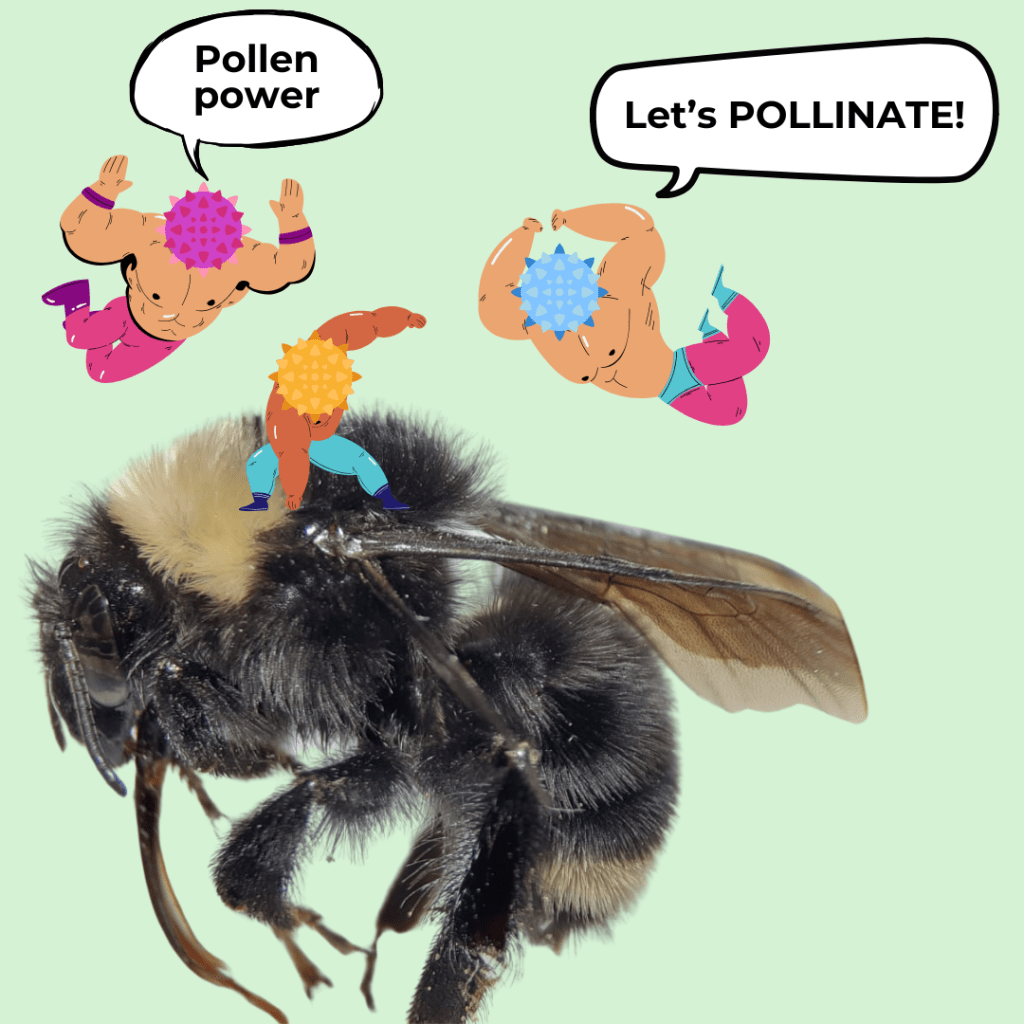
Imagine you’re a tiny grain of pollen riding on the back of a bumblebee. Your mission is to reach another flower so you can help complete the process of pollination. You’re not alone, about 500 other pollen grains are traveling right beside you, and all of you are competing to reach the flower first. How…
-
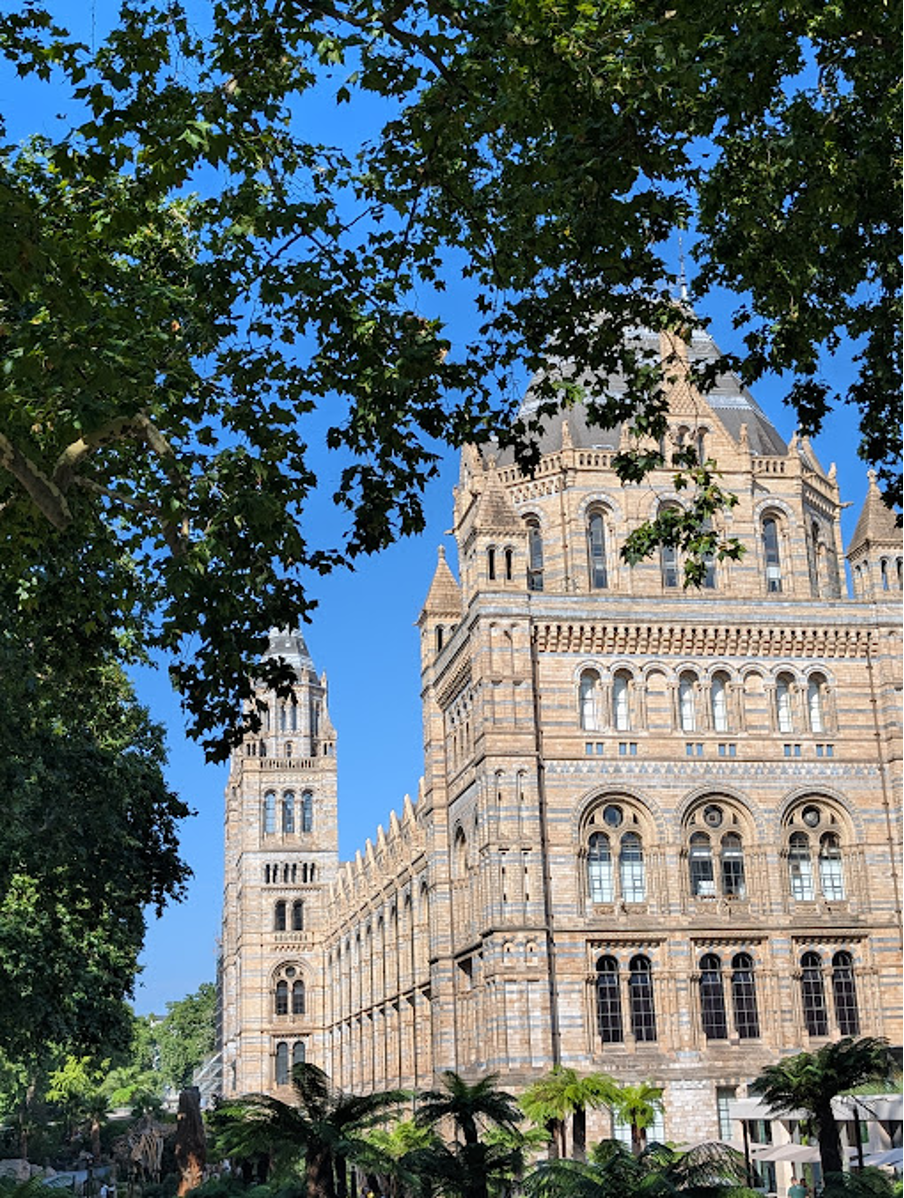
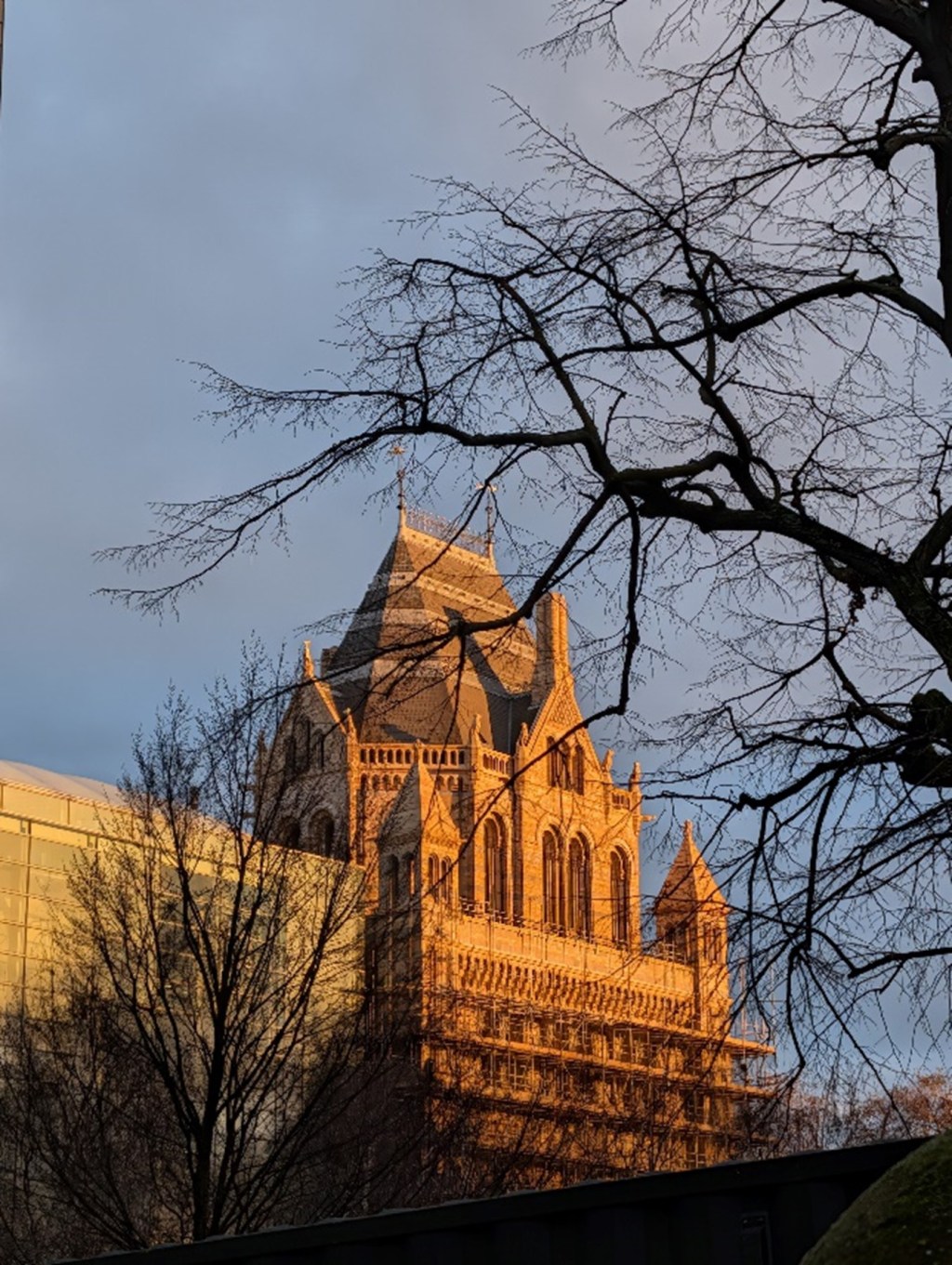
Figure 1. The Eastern View of the museum on our first day, after walking in from the South Kensington Tube Station Hi! We are Baxter and Lucas, Undergraduate Students at Swansea University on placement at The Natural History Museum in London. We work supervised by Wasp Expert Dr. Gavin Broad in the Hymenopteran Collection as…
-

When plants reproduce, the pollen is produced by the male organs, anthers, to fertilize the egg. This pollen is dust that can be moved to the female organ by wind, water or by animals. Since the upper Jurassic period, relationships between plants and insects have formed called mutualisms, where the insect will move the pollen…

