
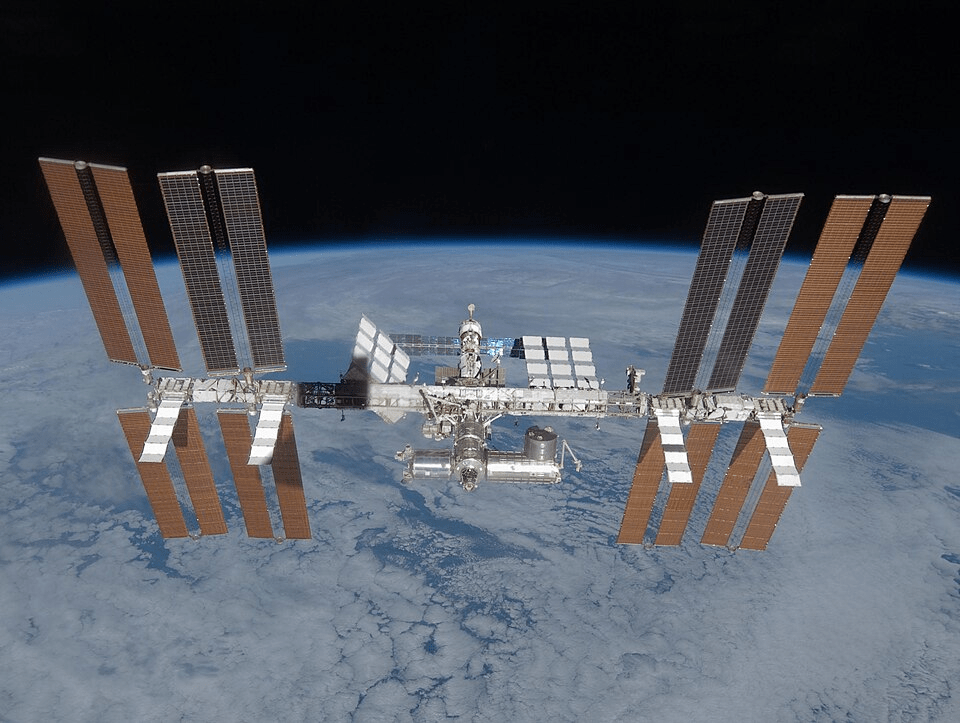
Insects and other invertebrates might be the key to long term space travel. With increasing research into insects for human consumption, more and more scientists believe that insect farming might be the number one way for astronauts to get their nutrients because of its high resource to output ratio. Not only might invertebrates be useful for direct consumption, but they also show strong promise for waste and disposal strategies, and common earth worms may also be the key to terraforming Mars!
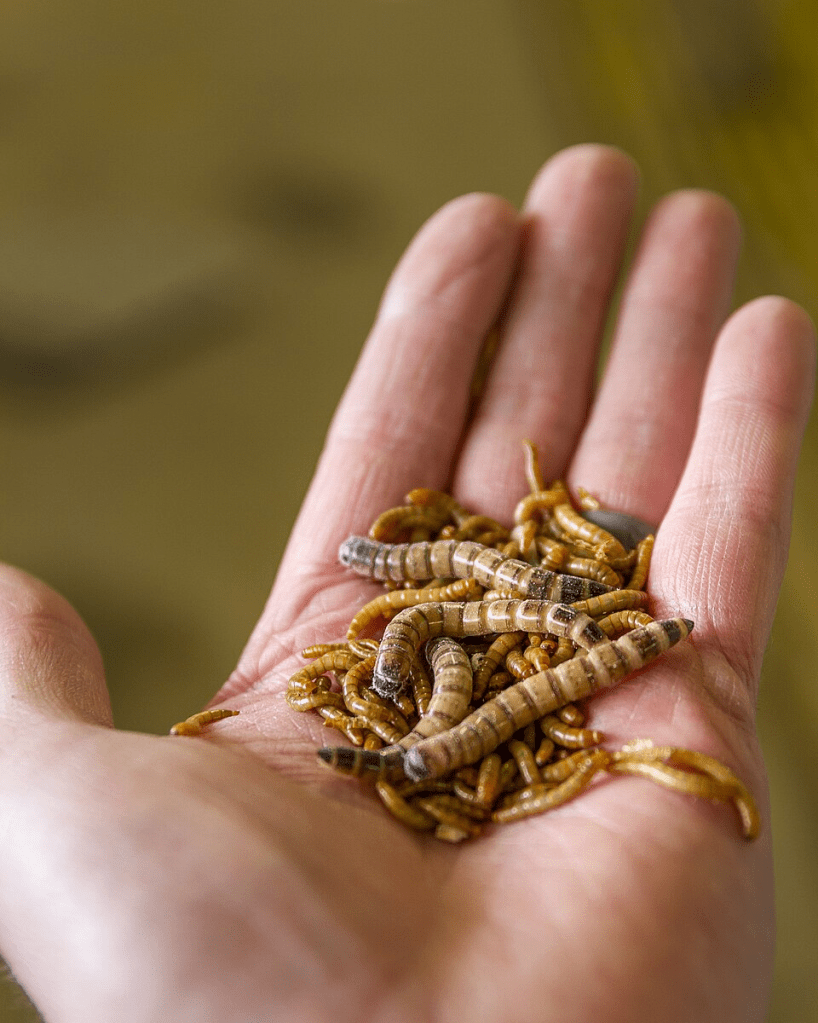
Insects being used as a food source for humans is not breaking news: they take up much less space, use much less food and water and are very rich in essential nutrients such as protein and fats. In fact, the average beef burger (per 100g) has about 129Kcal, 20.3g of fat, 0.2g fibre, and 25g of protein, whereas the humble mealworm (roughly 11 medium sized worms make up 100g) have 510Kcal, 29.5g of fat, 0.5g fibre, and a whopping 54.1g of protein.
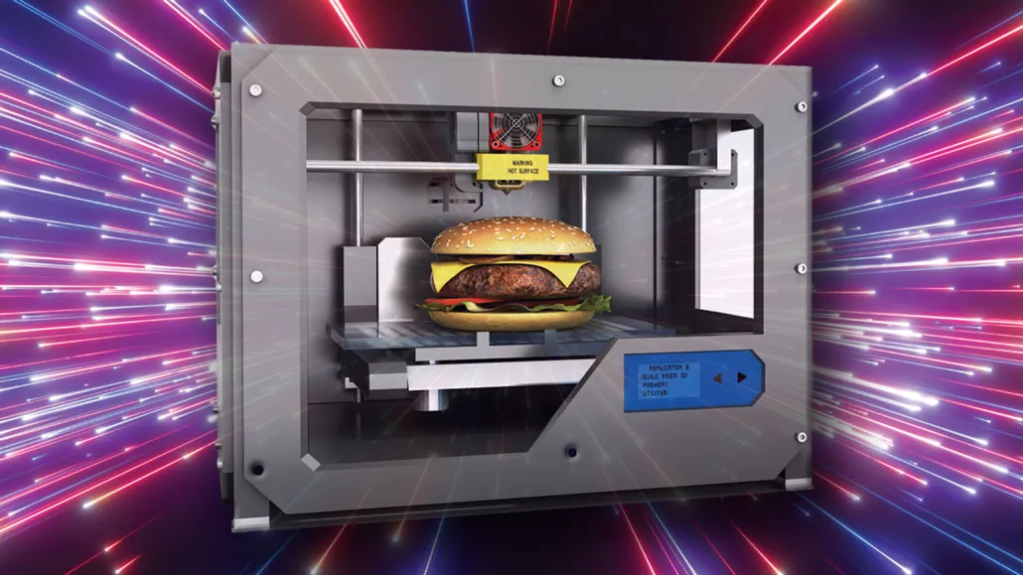
As nutritious as they may be, a lot of people are tentative about eating just mealworms, and while down on earth, we may be able to experiment with preparation and seasonings, any space station or space ship is not going to prioritise a fully kitted kitchen, so what are the astronauts to do? Well – print their food of course! Printing food and food replicators may not be just science fiction for much longer. Mealworm mixed with guar gum (plant based gum) makes up the perfect printing material, which would allow astronauts to have a much more varied and diverse diet, without needing to rely on pre-packaged meals. Printed food would be amazingly beneficial for space travel, but also the International Space Station, which relies heavily on expensive and resource heavy resupply missions.
Another aspect of long term space travel that needs to be considered is waste, and, what a surprise, insects offer a solution! Many of the proposed insect species for space agriculture are not picky eaters, they will eat almost anything, which reduces the amount of total waste, and will in turn reduce the quantity of resources needed to maintain their population. The top contenders for space agriculture are mealworms (Tenibrio molitor) and black soldier flies (Hermetia illucens). Both of these species have been tried and tested in closed-loop systems, perhaps the most promising being a year-long closed system experiment called LunaPalace1 at Beihang University in Beijing in 2018. In this bioregenerative system, researchers grew their own vegetables, fed any inedible parts to mealworms, then ate the mealworms and used any frass (insect poo) that the mealworms produced to fertilise and grow the vegetables.
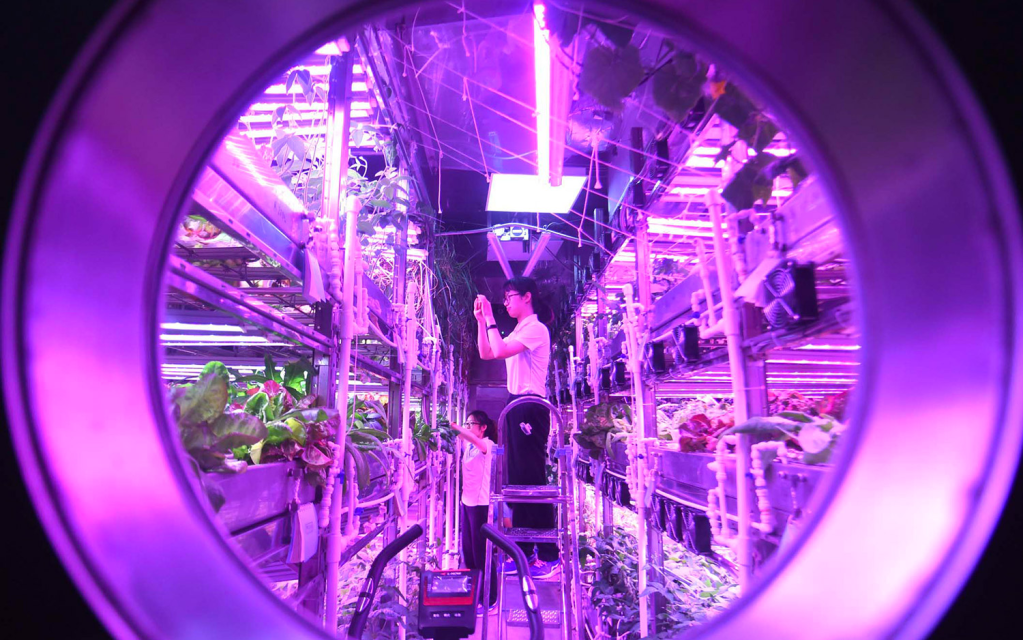
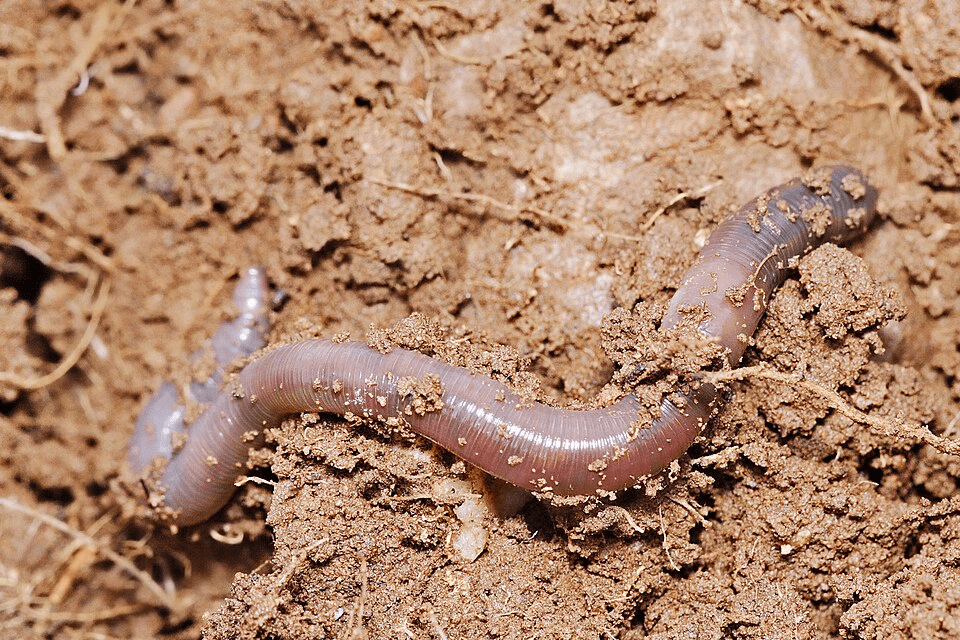
One of the most exciting prospects that invertebrates bring to the space table is the potential for terraforming on Mars! One high school student (2025) found that garden peas grew as successfully in Artificial Martian soil with Black soldier fly frass as in commercial garden soil on Earth. However, collecting frass could be a tedious process, and why do work to collect fly poo, when you could throw some worms on the ground and let them do all the work? There have been several studies investigating various methods for cultivating crops in artificial moon and mars soil, with varying degrees of success. One such study showed that crops actually grew better in Mojave Mars Simulant (Artificial Matrian soil) than earth soil when they added pig manure and two species of worms. Not only did the crops yield a greater biomass, but the worms actually started to reproduce. While pig poo might be difficult to ship all the way to Mars, we could take a page out of Mark Wattney’s book and use our own faeces in combination with worms, to complete a closed loop, bioregenerative system!
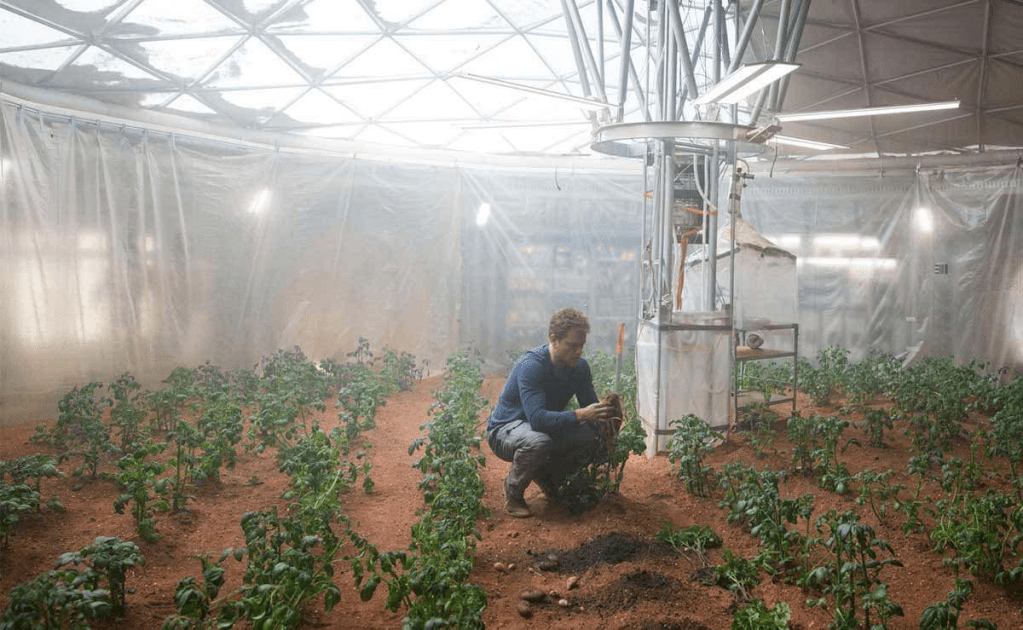
Invertebrates are our future, for both on earth and in space. Species such as mealworms and the common earthworm may become space agriculture pioneers. More research needs to be done of course, and more and more scientists are realising the need for invertebrates as food sources and their potential for terraforming. Mealworms, being high in protein, low in demand for resources, seem like a no-brainer when it comes to what to eat in space. The next step would be… how to make them tasty?
References
A. A. Connor, S. Elsaid, J. Brisset, P Easter, D Britt (2023). Investigating Eisenia fetida Survival in High Fidelity Lunar and Martian Regolith Vermiculture. 54th Luna and Planetary Science Conference 2023. Retrieved from https://www.hou.usra.edu/meetings/lpsc2023/pdf
Crunchy Critters. (n.d.). Nutritional Values. Retrieved from Crunchy Critters: https://www.crunchycritters.com/nutrition/#toggle-id-6-closed
J. Emmanuel Mendoza, N. B. (2025). Peas on Mars: A study of garden pea, Lathyrus oleraceus (=Pisum sativum), growth in Martian regolith simulant treated with black soldier fly frass. bioRxiv. doi:https://doi.org/10.1101/2025.11.14.68848
Mohammed Elhassan, K. W. (2019). Quality Aspects of Insects as Food—Nutritional, Sensory, and Related Concepts. Foods. doi:https://doi.org/10.3390/foods8030095
R. Kok, A. v. (2021). Insect food in space. Journal of Insects as Food and Feed, 1-4. doi: DOI 10.3920/JIFF2021.x001
Space.com Staff. (2018, May 17). Lunar Palace 1: China’s One-Year Mock Moon Mission in Pictures. Retrieved from Space.com: https://www.space.com/40610-china-mock-moon-mission-lunar-palace-1-photos.html
Walker, F. (2024, June 24). Could the Red Planet’s Future be Green? Retrieved from Texas A&M University Engineering: https://engineering.tamu.edu/news/2024/06/could-the-red-planets-future-be-green.html
Wares Chancharoen, Yossaphol Kaewkumpha, Wanassanan Chanstaporn, Potiwat Ngamkajornwiwat, Jirapat Wannakee. “Improvement of Printability Properties of High-Protein Food from Mealworm (Tenebrio molitor) Using Guar Gum for Sustainable Future Food Manufacturing.” Food Security and Nutrition and Sustainable Agrigulture (2023).
Xiaotian Tang, Z. Z. (2026). Insects as Space Pioneers: A Sustainable Solution for Food Supply and Recycling Agriculture in Space Stations. Journal of Agriculture and Food Chemistry, 5-4.
Zhongfu Wang, S. H. (2025). Improving Lunar Soil Simulant for Plant Cultivation: Earthworm-Mediated Organic Waste Integration and Plant-Microbe Interactions. Plants. doi:https://doi.org/10.3390/plants14071046


Leave a Reply