
So! It’s been a while since you heard from us (at least, it’s been a couple months since we wrote that last blog post).
What have we been up to?
Beginning of the UKBOL Project
The Project we have been excitedly working on over the last few months has been the UKBOL project (United Kingdom Barcode of Life). This project aims to sequence the genome of upwards of a thousand UK based museum specimens, as far back as the 1800’s to the 2020’s, all while each step of the process happens within the museum and its labs!
Our role
Our job has been as part of the ‘Collections’ team, we have been tasked with working with the curators of different orders to identify gaps in the current data, where genomic data is lacking on UK species. We:
- Work alongside the curators to identify which specimens would be best for this process, e.g. lots of geographical data and confident identification
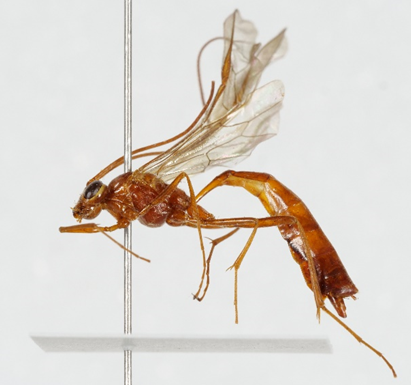
- Curate a ‘batch’ of these specimens by taking them from the collection and transcribing all data from the specimens into spreadsheets for further processing
- Imaging all the specimens
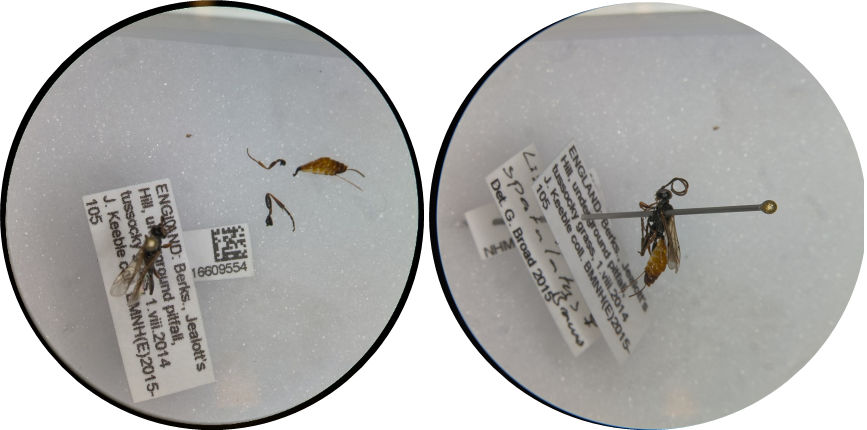
- ‘Tissue sampling’ the specimens, which involves lab work where parts, usually legs or abdomens, or whole specimens are placed into vials for processing by the lab team
- Taking back the specimen material once the lab team have done their work, and putting the material back with the original specimens, to the request of the curator of that order. Whether that includes just reuniting the material with its original specimen by mounting it to card, or true repairing of the specimen (as best I can at least!)
But how?
We got this opportunity through the many research projects that the museum undertakes. Gavin Broad (our placement supervisor) had heard of a great opportunity through Ben Price, a senior curator in the Small Orders collections, for us to get some paid contract work while completing our volunteer placement. We applied, sending our CVs, and with a (hopefully) glowing review of our work so far from Gavin, we were quickly accepted into the project, along with some other volunteers.
Other Exciting Goings-on
In the last couple of months, we have been lucky enough to have been able to take part in various other non-project related experiences throughout the museum. These include but are not limited to:
- Attending one of the monthly ‘Big Welcome’ days held by the museum (we started in August, we know!), where we got to meet many other new(ish) members of staff and finding out what they do in their respective departments. The day began with a history of the museum presented by museum director Doug Gurr, and subsequent events included talks and tours from various departments, including the quarantine facility, the imaging and analysis/conservation centre (also including incredible dinosaur fossils!), the historic library and archives (with some books dating back as far as the mid-1400s!), and the special effects department, where special effects for all museum exhibits begin their life!
- A comprehensive tour of the mammal collections led by senior curator Roberto Portela Miguez, where we got to see thylacines, an aurochs skull, the only known specimen of the Wondiwoi tree-kangaroo, the type specimen of the weird but wonderful platypus, and even a mummified cat!
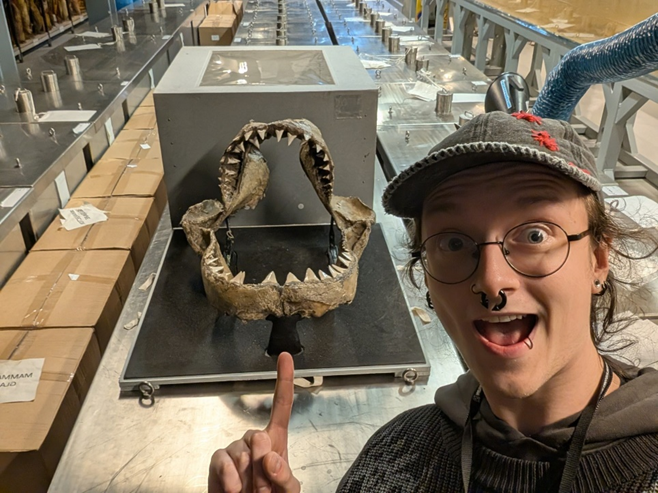
- Numerous trips back to the museum tank room, where we got in depth looks at the prehistoric coelacanth, a courting pair of wolves reunited in a romantic embrace, a set of shark jaws, and a spooky unification of female and male deep-sea anglerfish
We hope you’ve enjoyed reading about all our most recent escapades; keep an eye out for more posts coming soon!
Baxter & Lucas
 EntoBites
Leave a comment