
Tyler Maire | Indian River Mosquito Control District
Photo credit: Tyler Maire, UF/IFAS
Mosquitoes are more than just a nuisance
Diseases carried by mosquitoes are a significant public health concern worldwide, particularly in warm and humid regions with high mosquito populations. Species like Aedes aegypti and Aedes albopictus can transmit viruses including dengue, Zika, and chikungunya, while Culex mosquitoes spread West Nile virus. Beyond disease, their relentless biting can make spending time outdoors miserable. Spray on repellents remain the standard solution, but a growing body of evidence points to another effective and underused option: permethrin treated clothing.
What is permethrin treated clothing and how does it work?
Permethrin is a synthetic insecticide modeled after natural compounds found in chrysanthemum flowers. When applied to fabric, it binds tightly to the fibers and creates a contact-based defense. A mosquito that lands on treated clothing is either repelled on contact or killed shortly afterward. Importantly, permethrin is applied to clothing and gear, never directly to skin.
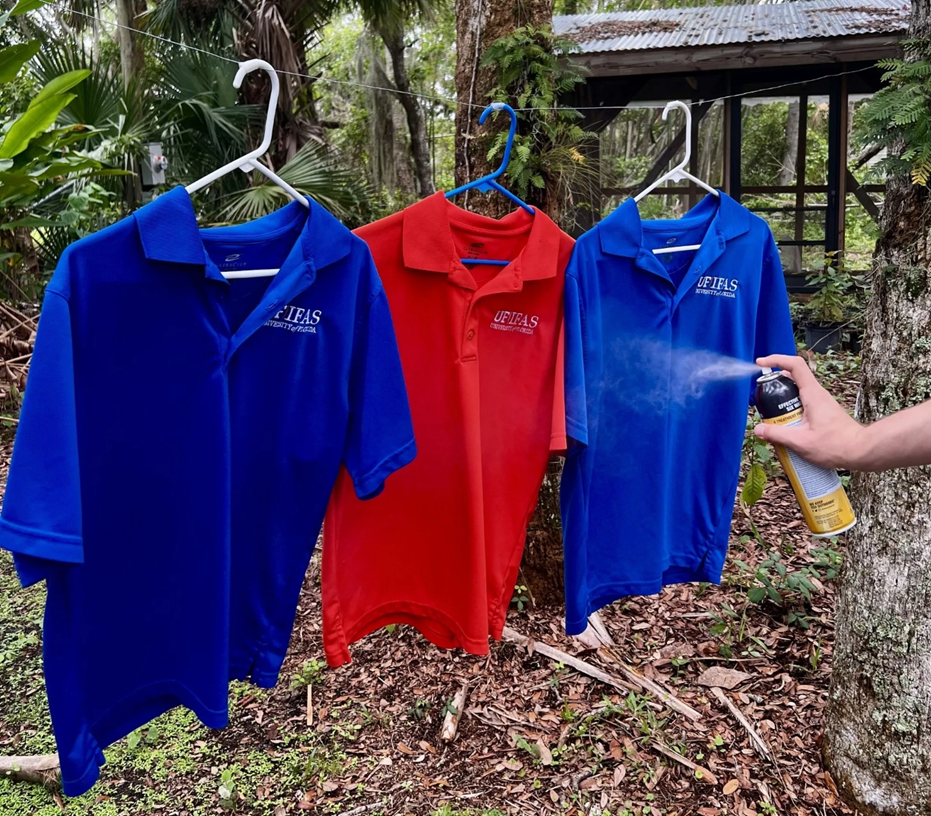
There are two main ways to get permethrin treated clothing. You can buy factory treated garments from brands like Insect Shield®, which offer consistent protection that lasts up to 70 washes. Alternatively, you can treat your own clothing at home using a 0.5% permethrin spray, widely available at outdoor retailers. DIY treatments are more affordable but typically last only about six washes before you need to treat the garment again.
How effective is permethrin treated clothing at preventing mosquito bites?
Research consistently shows that permethrin treated clothing significantly reduces mosquito biting. Studies on factory treated garments report bite reductions ranging from 37% to 94%, depending on the mosquito species, how much skin is covered, and the treatment method.
A 2016 laboratory study tested Insect Shield® treated clothing against Aedes aegypti, the primary vector of dengue and Zika viruses. Participants wearing treated shirts with long sleeves and long pants experienced 91% fewer bites compared to those in untreated clothing. Even when coverage was reduced to treated short sleeves and shorts, bites were still cut by about 49%.
An earlier study conducted in a coastal region examined protection against the salt marsh mosquito, Aedes taeniorhynchus, a common coastal pest. Volunteers who wore permethrin treated uniforms and applied DEET spray received only about two bites over nine hours. Those using treated clothing alone averaged 54 bites, while those relying solely on DEET averaged 99. The combination of treated clothing and a topical repellent proved far more effective than either method on its own.
Is permethrin-treated clothing safe to wear?
The United States Environmental Protection Agency (EPA) has reviewed the available evidence and found no health risks from wearing permethrin treated clothing. The amount of permethrin absorbed through skin is well below any level of safety concern. Mild skin irritation is rare. The clothing is considered safe for adults, children, and pregnant women.
One important note for pet owners: permethrin is toxic to cats when wet. Always allow treated clothing to dry completely before allowing contact with cats. Once the fabric is dry, the risk is minimal.
How can you maximize your mosquito protection with treated clothing?
Permethrin treated clothing works best as part of a broader mosquito protection strategy. Apply an EPA registered topical repellent such as DEET, picaridin, or oil of lemon eucalyptus to any exposed skin not covered by treated fabric. This combined approach of treated clothing plus topical repellent delivers the strongest protection supported by scientific literature.
To extend the life of your treated garments, wash them on a gentle cycle with mild detergent, avoid bleach and fabric softener, and line dry whenever possible. If treating clothing at home, spray garments in a well-ventilated outdoor area and let them dry fully before wearing. Additional protective measures include eliminating standing water around the home, maintaining window screens, and using spatial repellents such as mosquito coils or pyrethroid emitting devices.
Does regular untreated clothing protect against mosquito bites?
Untreated clothing provides only limited protection. Mosquitoes have a long, needle like mouthpart called a proboscis that can pierce thin or tightly fitting fabrics like t shirts and leggings with ease. Wearing light colored, loosely fitting clothing helps to some degree, since dark colors make you more visible to mosquitoes. However, in areas with heavy mosquito activity, untreated clothing alone is not a reliable defense, and treated clothing offers substantially greater protection.
What does this mean for the public?
Permethrin treated clothing is a safe, effective, and underutilized tool for reducing mosquito bites. It is especially valuable for hikers, campers, gardeners, outdoor workers, and anyone living in areas with high mosquito populations. The research is clear: when combined with a topical repellent, treated clothing provides robust protection against both nuisance biting and the diseases carried by mosquitoes that threaten public health worldwide. So suit up, spray up, and get back outside without worrying about becoming a mosquito’s next meal!
Original publication: Effectiveness, Safety, and Use of Permethrin-Treated Clothing to Prevent Mosquito Bites
Maire, T. & Thongsripong, P. (2025). ENY-2135/IN1467. UF/IFAS Extension.
 EntoBites
Leave a comment